
Search Hawaii Probate Court Records
Hawaii probate court records live at the Circuit Court in the county where the estate was opened. The state has five counties, and each one keeps its own case files for wills, estates, trusts, and guardianship matters. You can search many of these probate court records online through the Hawaii State Judiciary portal. For the full case file or a certified copy, you go to the Circuit Court in the right county. Staff can pull records by name or case number and make copies while you wait.
Hawaii Probate Court Records Overview
Where to Find Hawaii Probate Court Records
The Circuit Court is the place to look. Each of the five judicial circuits handles probate matters for its area. The court keeps the full case file for every estate opened there. That file holds the petition, the will, the inventory, the accounting, and any orders the judge signs. Circuit Court clerks pull these records on request and can make copies for you.
The Hawaii State Judiciary runs the court system from the top down. Its main portal links to every court level, from the Supreme Court down to District Courts and Family Courts. Probate matters fall under the Circuit Courts, which have exclusive jurisdiction over decedent estates, guardianships, conservatorships, and trust proceedings. The main site is a good starting point for a probate court records search, since it lists each court's phone, address, and hours.
You can view the Hawaii State Judiciary home page below. The Hawaii State Judiciary runs its main portal at courts.state.hi.us, which is the central hub for all probate-related court services.
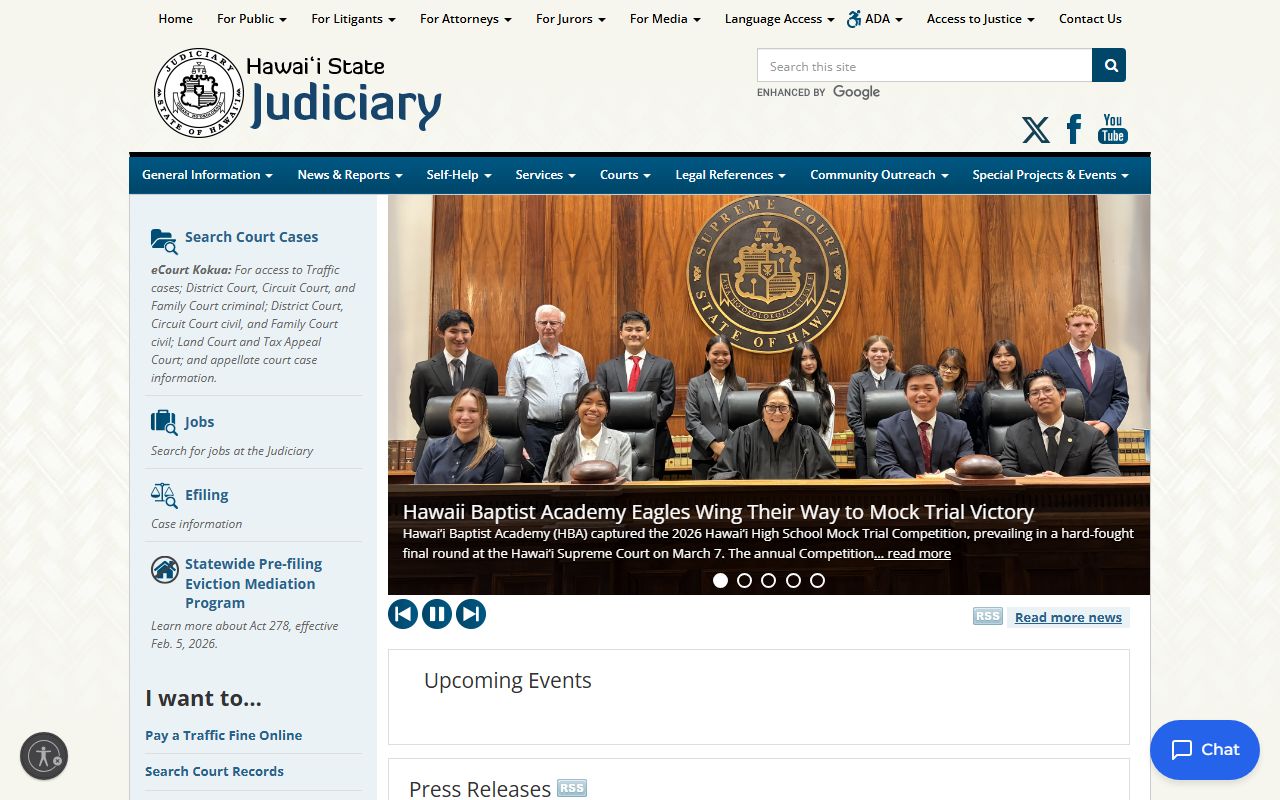
This portal links to every court in the state, plus the self-help section, court forms, and the KolokoloChat help tool.
Note: For full case files and certified copies of probate court records, contact the Circuit Court in the county where the case was filed. The state website lists each court's phone, address, and hours.
Hawaii Circuit Courts and Probate Records
Hawaii has five judicial circuits. Each one serves a set of islands and runs its own probate docket. The First Circuit covers O'ahu and Honolulu County. The Second Circuit covers Maui, Moloka'i, Lāna'i, and Kalawao. The Third Circuit covers Hawai'i Island, with divisions in Hilo and Kona. The Fifth Circuit covers Kaua'i and Ni'ihau. There is no Fourth Circuit, for historical reasons tied to the old territorial courts.
Each Circuit Court handles a wide range of probate work. That includes filing wills for probate, opening intestate estates, setting up guardianships for minors and incapacitated adults, and registering trusts. The court also hears will contests, claims against the estate, and fights over who should serve as personal representative. Under Chapter 531 of the Hawaii Revised Statutes, the Uniform Probate Code sets out the rules the court follows. You can read the code at Justia's Hawaii statutes page, which keeps the full text online for free.
The Circuit Courts page on the Judiciary website is where you find each court's location and phone. Every Circuit Court has its own clerk's office that keeps probate court records. Most case files are open to the public, though some things like social security numbers, account numbers, and certain medical details may be redacted. Records tied to minors or mental health matters can be sealed by court order.
Here is the Circuit Courts information page. The Hawaii State Judiciary publishes circuit court details at courts.state.hi.us/courts/circuit, covering all five judicial circuits.
This page lists the address, phone, and service area for each circuit, plus links to court forms.
How to Search Probate Court Records in Hawaii
You have a few ways to look up probate court records in Hawaii. Online tools work best for a quick name check. In-person visits to the courthouse work best when you need the full case file or a certified copy. Mail requests work too, though they take longer.
Start at the Hawaii State Judiciary main site. From there, click through to the Circuit Court that covers the county you need. Each court lists its phone, address, and hours. Some courts accept document drop-offs online, which is handy for filings and follow-ups. The court clerk can pull a case file by name or case number. Most clerks will tell you over the phone whether a case exists and what its status is.
To run a probate court records search, you usually need:
- Full name of the decedent, ward, or trust
- County or circuit where the case was opened
- Approximate year of the filing if you have it
- Case number if you already know it
- Your relationship to the party, if asked
You can also visit the clerk's office in person. Bring a photo ID. Most clerks pull the file right there and let you read it at a public counter. Plain copies cost less than certified copies. The clerk stamps a certified copy with the court seal, which you need for things like transferring title to real property or closing out a bank account.
Here is the District Courts portal for context. District Court information is posted at courts.state.hi.us/courts/district, which handles small estate affidavits and related matters.
District Courts handle small claims and some estate-related debt matters, though the main probate work stays at the Circuit Court level.
Types of Hawaii Probate Court Records
Probate court records cover more than just wills. The Circuit Court keeps files on every kind of estate matter, from simple small estates to complex trust fights. Each file has a core set of documents. The exact mix depends on what the court was asked to do.
A typical probate court records file in Hawaii includes:
- Petition for probate or letters of administration
- The will, if there is one
- Death certificate
- Inventory and appraisal of estate assets
- Notice to creditors and proof of publication
- Claims filed against the estate
- Accountings by the personal representative
- Final order closing the estate
Guardianship and conservatorship files look a bit different. These cases deal with a living person who cannot manage their own affairs, often a minor or an adult with a disability. The file has the petition, medical or capacity reports, the order appointing the guardian, and yearly status reports. Some of these papers are kept under seal to protect the ward's privacy, especially anything with medical detail.
Trust proceedings also show up in Circuit Court. Trustees sometimes ask the court to approve an accounting or to interpret ambiguous language in a trust document. Beneficiaries can ask the court to remove a trustee or review a questioned distribution. Under Chapter 532 of the Hawaii Revised Statutes, the Uniform Trust Code governs how these matters run.
You can view the Family Courts portal for related matters. Family Court details are posted at courts.state.hi.us/courts/family, where guardianships of minors often overlap with probate work.
Family Courts handle adoption, parental rights, and some guardianship matters that tie into estate administration.
Hawaii Probate Rules and Statutes
Hawaii probate law sits in Title 30A of the Hawaii Revised Statutes. The main chapters are Chapter 531 for the Uniform Probate Code, Chapter 532 for the Uniform Trust Code, Chapter 533 for the Uniform Power of Attorney Act, and Chapter 534 for adult guardianship jurisdiction. Chapter 535 covers digital assets, which matters more each year as estates include online accounts and crypto holdings.
On top of the statutes, the Hawaii Probate Rules set out how cases run day to day. These rules come from the state Supreme Court. Rule 20 deals with notice. Rule 41 deals with special proceedings. The Supreme Court has proposed changes to both rules, with a public comment deadline of June 30, 2026. So if you are looking at older case files, the rules in force then may differ from the rules today. The Hawaii Supreme Court posts rule changes and proposed amendments on its site.
Here is the Supreme Court page. The Hawaii Supreme Court posts opinions and rule amendments at courts.state.hi.us/courts/supreme, which is the final word on probate court records procedure statewide.
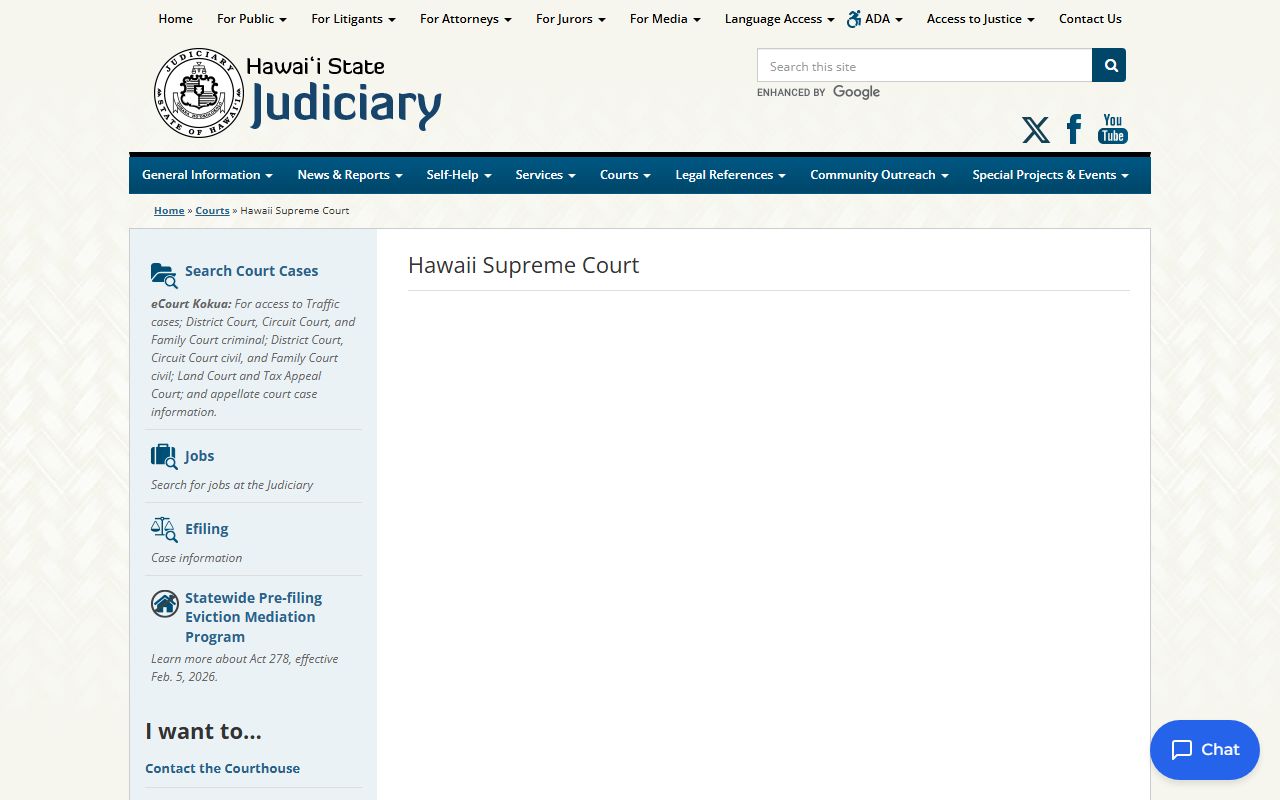
The Supreme Court hears appeals from Circuit Court probate rulings and sets binding precedent for the entire state.
Between the Circuit Court and the Supreme Court sits the Intermediate Court of Appeals. The ICA is where most probate appeals land first. A party who loses in Circuit Court can file a notice of appeal and ask the ICA to review the record. The ICA has six judges who sit in three-judge panels. Its rulings become part of the public record and are cited in later probate matters.
Rule Changes Coming: The Supreme Court has proposed amendments to Probate Rules 20 and 41. Public comments are open through June 30, 2026. Check the Judiciary site for the latest version.
Here is the ICA page. The Intermediate Court of Appeals publishes opinions at courts.state.hi.us/courts/appeals, which shape how lower courts read probate statutes.
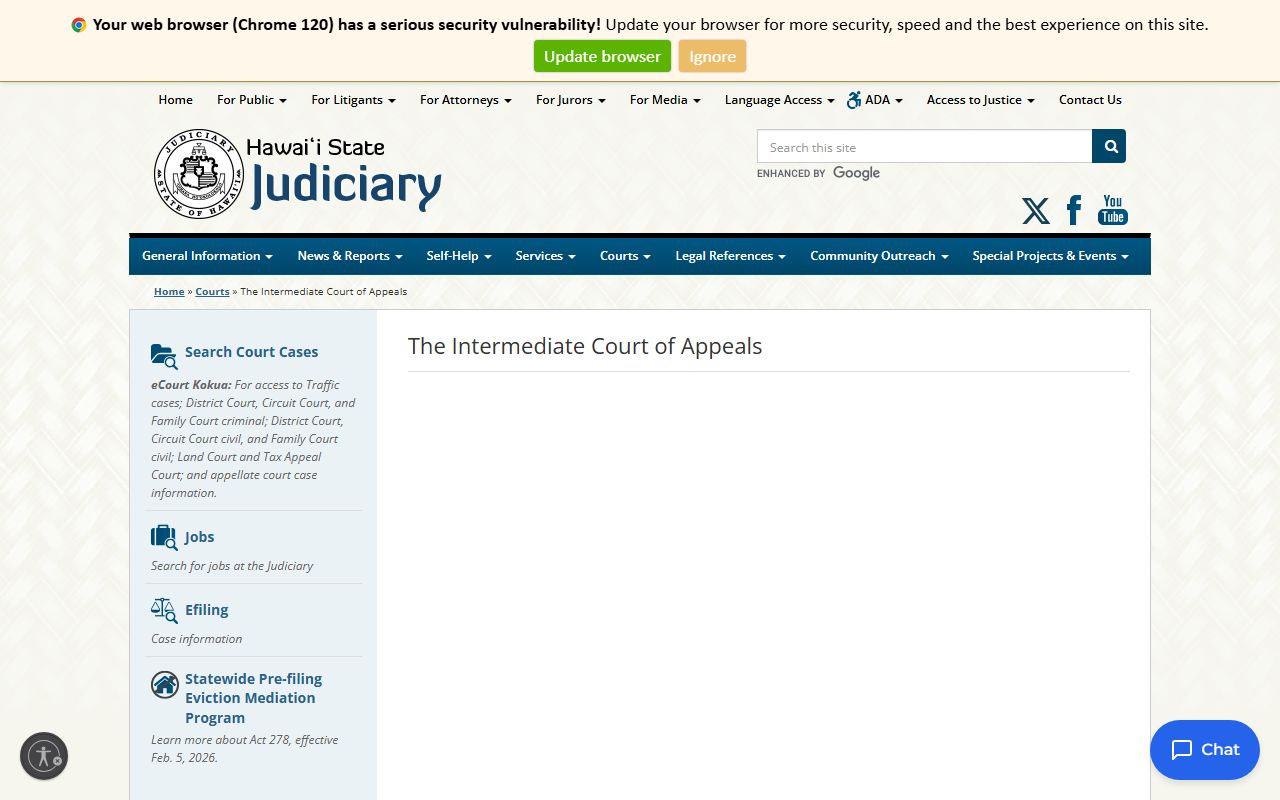
The ICA reviews Circuit Court probate rulings and handles most appeals before they can reach the Supreme Court.
Here is the statutes site. Justia hosts the full text of the Hawaii Revised Statutes at law.justia.com/codes/hawaii, including all probate-related chapters.
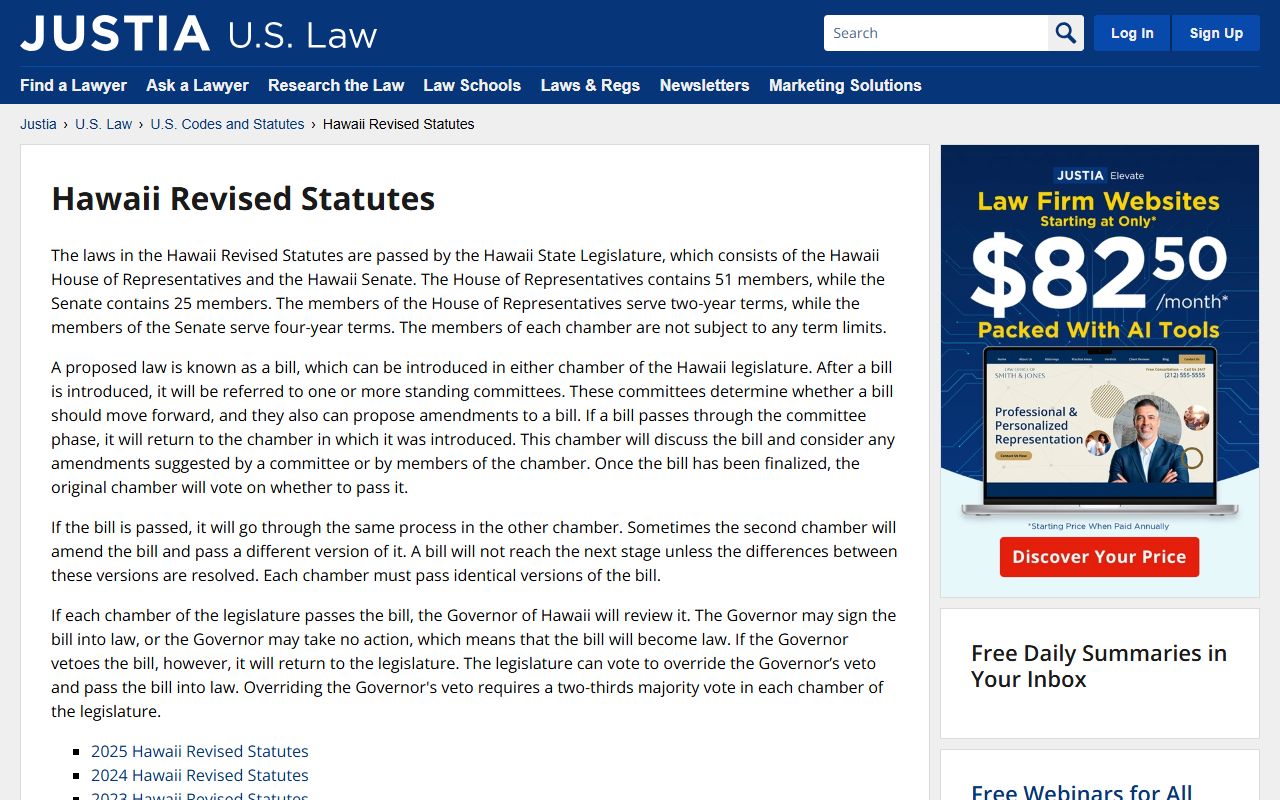
You can search by chapter, keyword, or section number to find the exact law that applies to your probate matter.
Death Certificates and Hawaii Probate
To open a probate case, you need a certified death certificate. The Hawaii Department of Health, Office of Health Status Monitoring, issues them. The main office sits at 1250 Punchbowl Street, Room 103, in Honolulu. Hours are 7:45 a.m. to 2:30 p.m., Monday through Friday. You can call (808) 586-4539 to book a slot. Walk-ins get served between scheduled visits.
Neighbor island offices help with pickups and mail orders. Maui can be reached at (808) 986-8315, though no walk-up pickup is offered there. Kauai takes calls at (808) 241-3498. Hawai'i Island residents can use the Hilo office or order online for mail delivery. The Department of Health page explains fees, forms, and what you need to bring. Note that as of February 1, 2026, the Department of Health no longer maintains divorce records, so any probate case that also touches a divorce issue needs the court file for that part.
Here is the Vital Records page. The Department of Health Vital Records is at health.hawaii.gov/vitalrecords, where you order death certificates needed for probate court records.
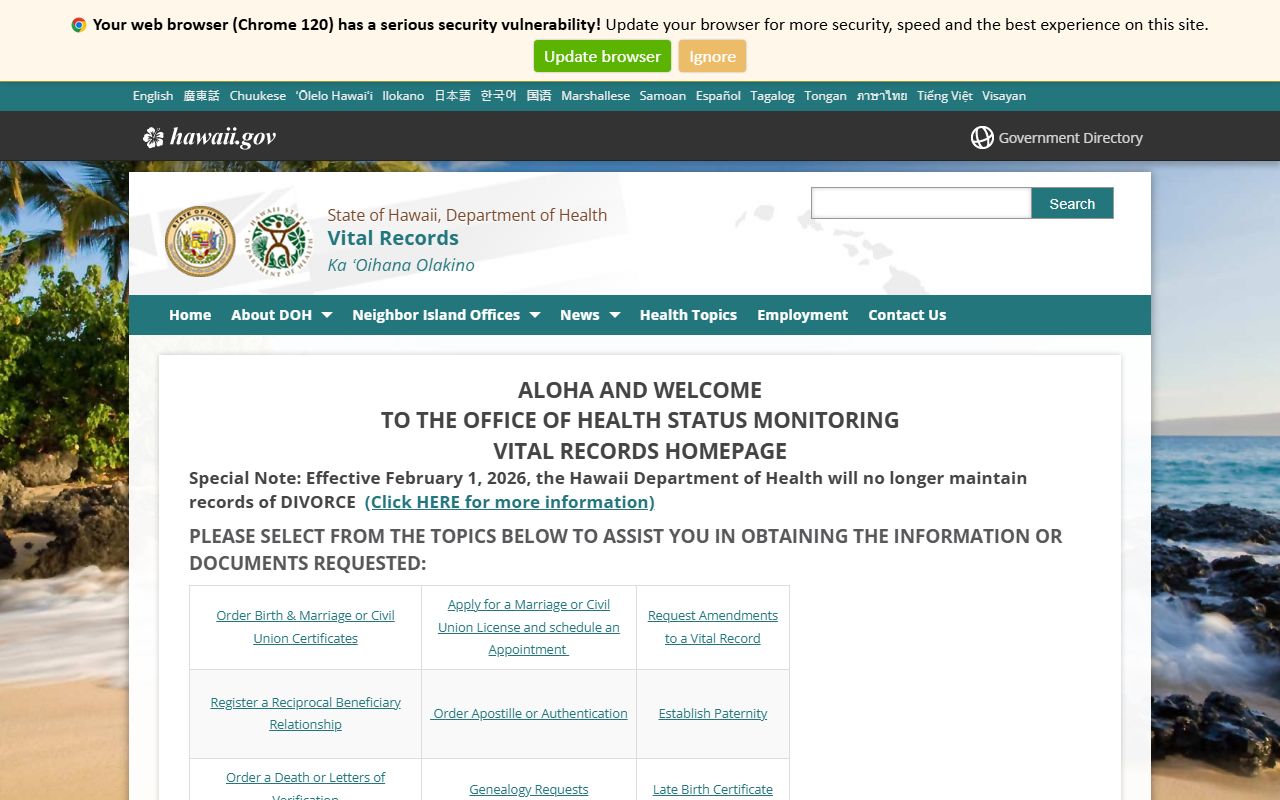
Death certificates are the first paper you hand the court when you file a probate petition.
Historical Hawaii Probate Court Records
Old probate cases end up at the Hawaii State Archives. The Archives holds court files that go back to the Kingdom of Hawaii period, the Republic of Hawaii, and the Territory years. Researchers use these for genealogy, property title work, and Native Hawaiian heir searches. The Archives also runs a Digital Archives project in beta, which puts scanned records online.
The State Archives site lists the collections and the hours. The Digital Archives portal at digitalarchives.hawaii.gov lets you search by name, date, or document type. The goal is long-term preservation, so older records get migrated to new formats as tech changes. For paper records that have not been scanned yet, you contact Archives staff and book a research appointment.
Here is the Archives page. The Hawaii State Archives is at ags.hawaii.gov/archives, which holds historical probate court records from the 1800s forward.
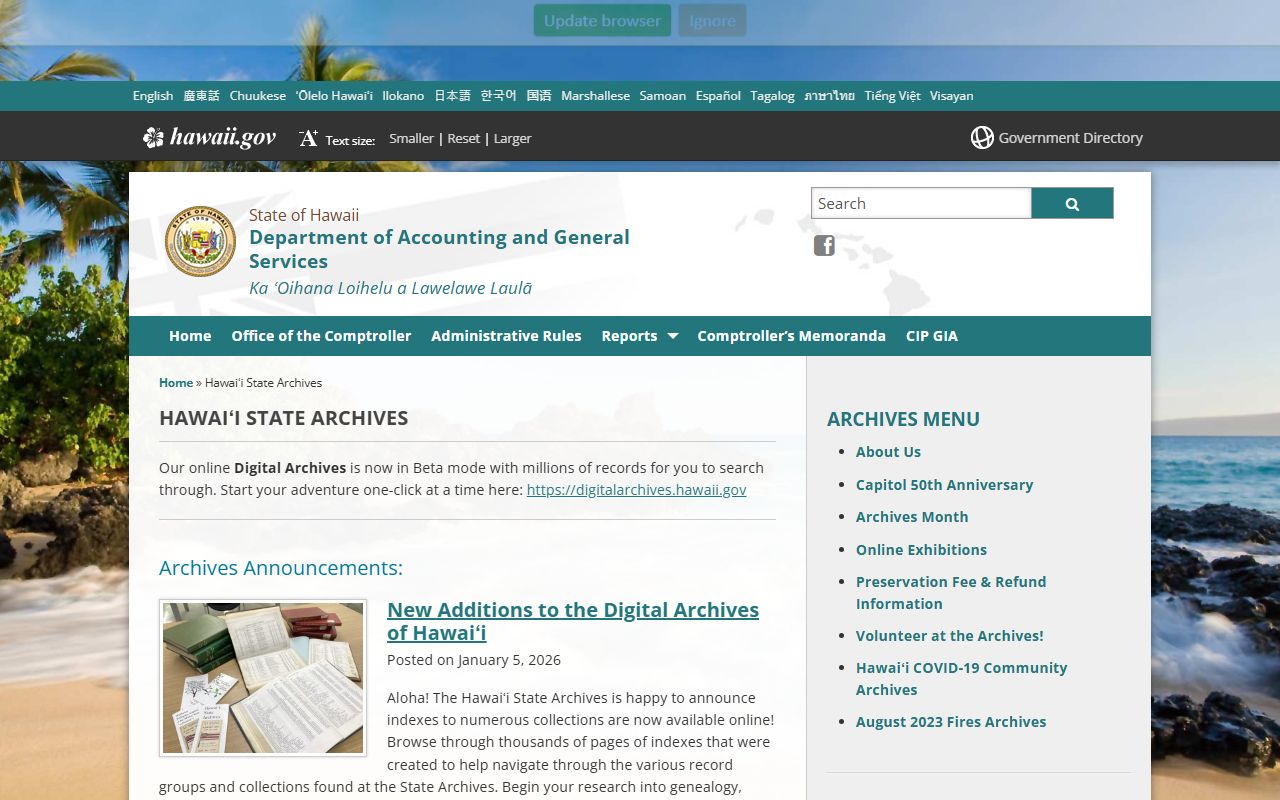
The Archives also keeps land conveyances, court dockets, and correspondence files useful for estate research.
Here is the Digital Archives portal. The Hawaii Digital Archives at digitalarchives.hawaii.gov hosts scanned probate files, wills, and estate inventories from the Kingdom period forward.
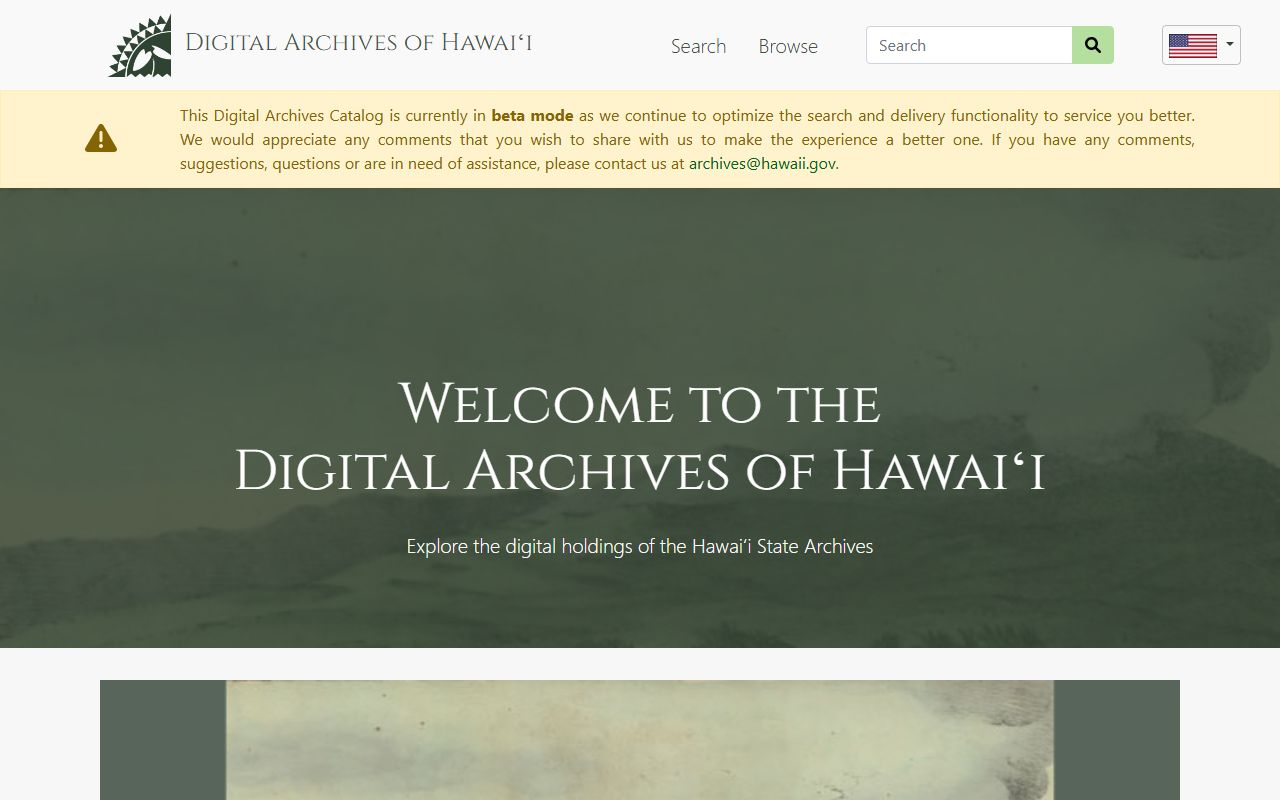
Search by decedent name, date range, or document type to pull up digitized probate files online.
Business Records and Probate in Hawaii
Many estates include business interests. The personal representative has to track these down, value them, and either transfer or wind them up. The Business Registration Division of the Department of Commerce and Consumer Affairs keeps the records. You can search by entity name or by officer name. The search shows filing history, annual reports, and current good-standing status.
DCCA runs its main office in the King Kalakaua Building at 335 Merchant Street, Room 201, Honolulu. The phone is 1-844-808-3222 toll-free. Office hours run from 7:45 a.m. to 4:30 p.m. Hawaii time, Monday through Friday. For certified copies of articles of incorporation or other filings, you can order online through Hawaii Business Express or in person at the counter. Executors often need certified copies to prove the estate's ownership of shares or membership interests.
Here is the DCCA Business Registration page. DCCA Business Registration is at cca.hawaii.gov/breg, where you search business entities named in probate court records.
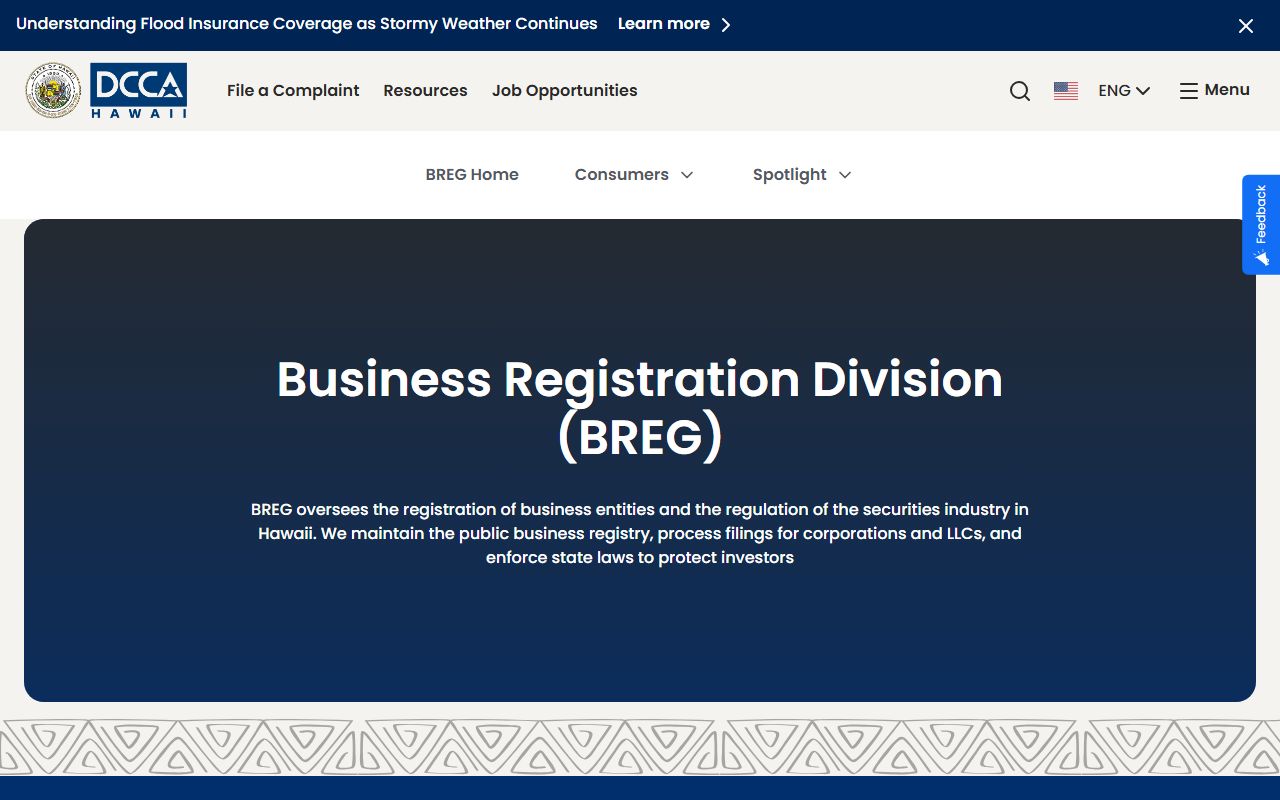
Use the search tool to find companies the decedent owned or held an officer role in.
When the estate holds stocks, bonds, or brokerage accounts, the Securities Compliance Branch matters too. It tracks broker-dealers and investment advisers registered in Hawaii. Executors can verify that a given adviser is registered and in good standing before handing over estate assets. The Securities Compliance Branch site has the lookup tool.
Here is the Securities page. The Securities Compliance Branch is at cca.hawaii.gov/regulated-businesses/securities, useful when probate court records include investment accounts.
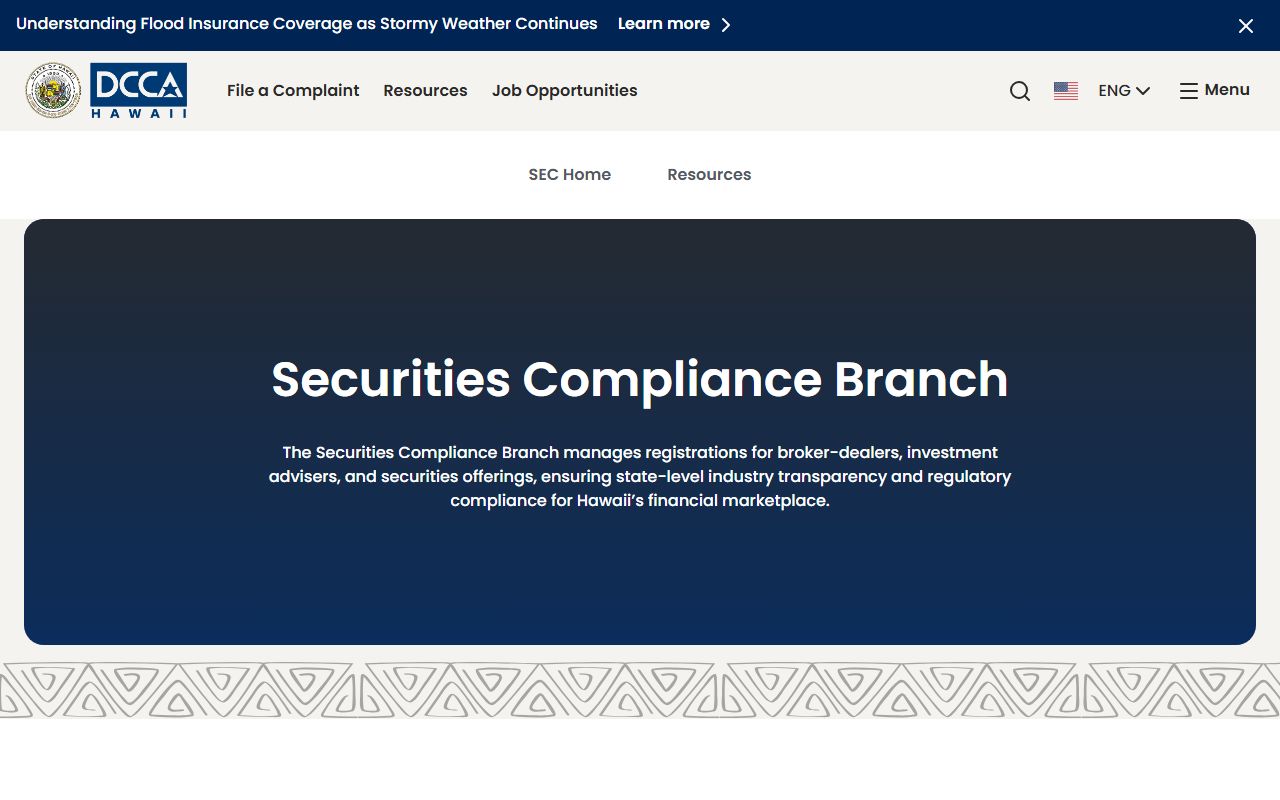
Use the portal to confirm that any investment adviser involved with the estate is properly registered.
Tip: Before distributing estate securities, confirm the adviser's registration status. RICO at cca.hawaii.gov/rico also tracks complaints against licensed professionals.
Here is the RICO page. The Regulated Industries Complaints Office is at cca.hawaii.gov/rico, which verifies licenses for folks working on estate property.
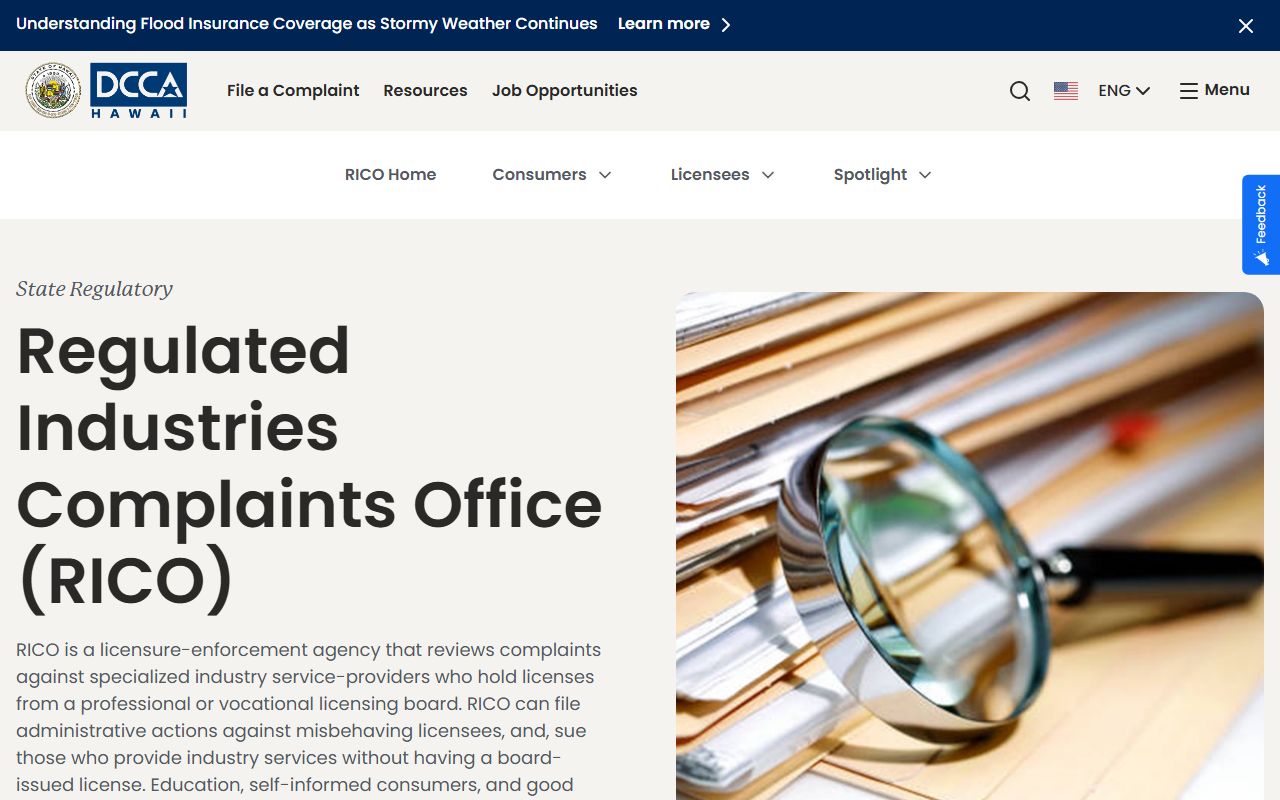
RICO has offices on O'ahu, Hawai'i Island, Maui, and Kaua'i to serve each circuit area.
Legal Help for Hawaii Probate Court Records
Probate is not a do-it-yourself task for everyone. Small estates with clear papers can often be handled without a lawyer. Bigger estates, contested wills, and trust fights usually need one. The Legal Aid Society of Hawaii helps folks who meet the income guidelines. Their Oahu line is (808) 536-4302. Neighbor island residents can use the toll-free number at 1-800-499-4302. Phone intake runs Monday through Friday, 9 a.m. to 11:30 a.m. and 1 p.m. to 3:30 p.m. Walk-in intake is not offered.
For folks who are not sure where to start, Legal Navigator Hawaii offers a free tool. You type in your legal problem in plain words. The system points you to the right resource, whether that is legal aid, a court form, or a self-help page. The tool respects privacy and does not share your info without permission.
Here is the Legal Aid page. The Legal Aid Society of Hawaii runs its site at legalaidhawaii.org, a key resource for low-income folks handling probate court records.
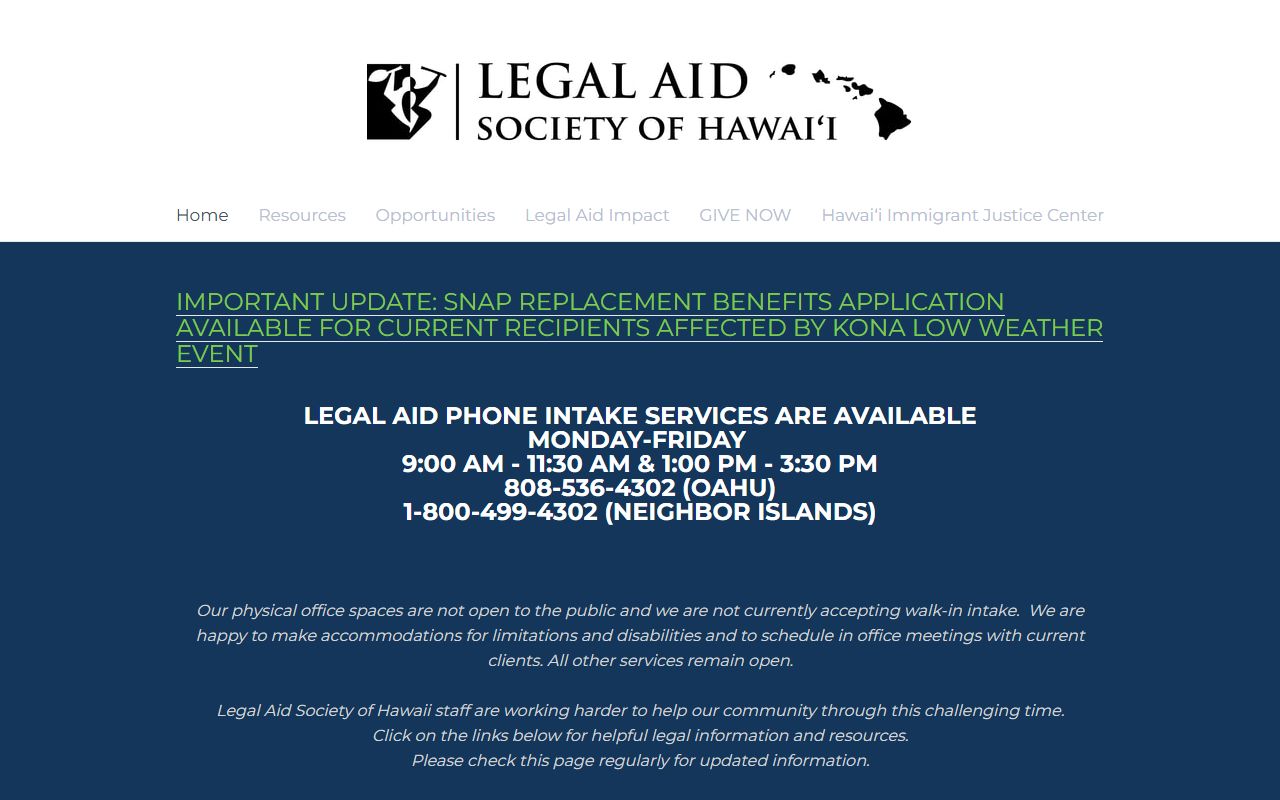
Legal Aid takes cases on a means-tested basis and charges no fee to clients who qualify.
The Hawaii State Judiciary also runs its own self-help operation. The self-help portal has forms, guides, and tips for folks who plan to handle their own probate case. The portal even lists volunteer court navigators at the Maui District Court who help walk-ins with forms. For those who want a quick first read on the system before they go deeper, the self-help portal is the right starting point.
Are Hawaii Probate Court Records Public
Yes, most probate court records in Hawaii are public. Anyone can walk into a Circuit Court clerk's office and ask to see a file. You do not need to be a party, an heir, or a beneficiary. You do not have to give a reason. The clerk pulls the file at the counter and lets you read it.
Some parts of the file are not public. Social security numbers, account numbers, and certain medical details get redacted. Guardianship files tied to mental health matters can be sealed. Minor's records sometimes have limited access. A party can ask the court to seal other items by motion, but that is not common and the judge must find good cause. Under the general court records access rules, the presumption is that the record stays open.
Most Hawaii probate court records are open to the public. Sealed portions usually cover medical detail, minor's records, or private financial identifiers.
Hawaii Probate Court Records by County
Each of Hawaii's five counties has its own Circuit Court that handles probate matters. Pick a county below for local contact info and resources.
Probate Court Records in Major Hawaii Cities
Residents file probate matters at the Circuit Court that serves their island. Pick a city below for where to go for probate court records in that area.